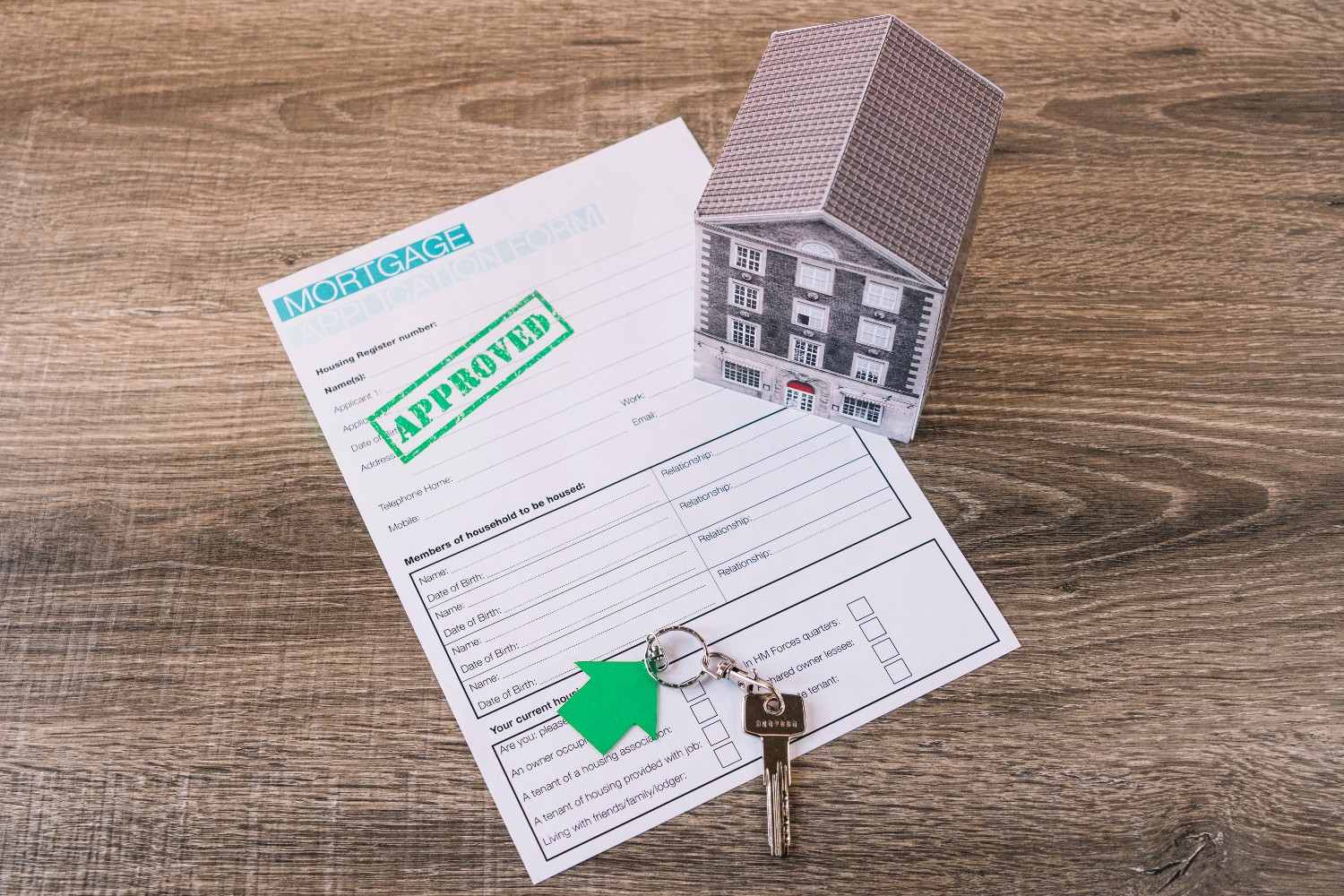
Buying a home in Kolkata while living in another country can feel complicated. You may not be able to visit the construction site regularly, meet the developer in person, or verify every promise made during a sales call. That distance makes transparency and legal protection especially important.
This is one of the main reasons many Non-Resident Indians prefer investing in RERA-approved projects in Kolkata. The Real Estate (Regulation and Development) Act, 2016 was introduced to promote greater transparency, accountability and efficiency in India’s real-estate sector. In West Bengal, buyers can search for registered projects through the official West Bengal Real Estate Regulatory Authority portal.
Here are seven practical reasons why RERA registration matters to NRI property buyers.
- Project Information Can Be Verified Online
For an NRI buyer, travelling to Kolkata every time a document needs to be checked is rarely practical. A RERA-registered project provides access to important project information through an official regulatory platform.
Depending on the disclosures available for a particular project, buyers may be able to verify details such as:
- RERA registration number
- Promoter or developer information
- Project location
- Approved project details
- Proposed completion date
- Current project status
- Registered real-estate agents
- Extension details, where applicable
The WBRERA website also provides a searchable list of approved real-estate projects.
This does not eliminate the need for legal due diligence, but it gives NRI buyers a reliable starting point. Instead of depending entirely on brochures, online advertisements or verbal assurances, they can compare the developer’s claims with information available on an official portal.
- Greater Confidence About Project Registration
Under Section 3 of the RERA Act, projects covered by the legislation generally need to be registered with the appropriate state authority before they can be marketed, advertised or sold, subject to the exemptions and conditions mentioned in the Act.
For NRIs, this registration creates an additional layer of confidence. A registered project is operating within a regulatory framework where the developer is expected to submit specified project and promoter information.
However, buyers should not assume that “RERA approved” means the government guarantees the investment or the project’s profitability. Registration is an important compliance checkpoint, not a substitute for checking:
- Land title
- Building approvals
- Sale agreement
- Developer reputation
- Existing loans or encumbrances
- Construction quality
- Actual neighbourhood conditions
A buyer should always verify the project’s registration number directly on the official WBRERA portal instead of relying only on a registration number printed in an advertisement.
- Better Clarity About Possession Timelines
Delayed possession is one of the biggest concerns for property buyers, particularly for NRIs who may be planning their investment, home loan, relocation or rental income from overseas.
A RERA-registered project must declare a proposed completion timeline as part of its registration information. Buyers can therefore compare the possession date mentioned by the sales team with the date recorded on the regulatory portal.
For example, individual project pages on WBRERA may display the project status, registration number and expected completion date. This makes it easier for a buyer to notice inconsistencies before making a financial commitment.
RERA cannot guarantee that every project will be completed without delay. Nevertheless, the declared timeline gives buyers a documented reference point and can improve accountability if the developer fails to meet contractual or statutory obligations.
NRI buyers should still examine the agreement for sale carefully, particularly clauses related to possession, grace periods, force majeure, cancellation, interest and compensation.
- More Transparency in Project Marketing
Property advertisements often highlight attractive views, premium amenities, convenient locations and future infrastructure. The finished property, however, may not always match the expectations created by promotional material.
RERA aims to bring more discipline to project advertising and disclosure. Promoters of registered projects are expected to provide accurate information and refer to the applicable RERA registration details in project promotions.
This is especially valuable for NRIs because they may make their initial decision after seeing:
- Digital advertisements
- Video presentations
- Virtual property tours
- Email brochures
- Social-media campaigns
- Online meetings with sales representatives
A regulatory framework makes it more important for developers to remain consistent about project specifications, approvals, layout, amenities and delivery commitments.
Still, buyers should preserve copies of all advertisements, emails, payment receipts, brochures and written promises. These records may become important if a disagreement arises later.
- Improved Financial Discipline
One of RERA’s key objectives is to reduce the possibility of money collected for one project being diverted without adequate control to another project.
Under the regulatory framework, a prescribed portion of the money collected from allottees is required to be deposited in a separate bank account and used toward the cost of land and construction of that project, subject to the applicable conditions.
For an NRI investing substantial savings from abroad, this financial discipline can provide an additional degree of comfort. It encourages project funds to remain connected with project development and requires withdrawals to be linked to the percentage of completion and supported by professional certification.
This protection should not be confused with an escrow guarantee or an assurance that the project carries no financial risk. Buyers should continue to check the developer’s financial history, construction progress, lender involvement and past delivery record.
- A Formal Grievance-Redressal Mechanism
Handling a property dispute from overseas can be frustrating. Different time zones, limited physical presence and dependence on representatives can make even a small issue difficult to resolve.
RERA provides a formal mechanism through which eligible buyers can raise complaints concerning matters governed by the Act. The WBRERA portal includes facilities related to complaint registration and project information.
Depending on the facts and applicable law, disputes may involve issues such as:
- Delayed possession
- Misleading project information
- Unauthorised changes
- Failure to provide agreed documents
- Refund or interest claims
- Non-compliance with the agreement
- Defects or incomplete promised work
Having a sector-specific regulatory forum can be particularly reassuring for NRIs because they are not left entirely dependent on repeated follow-ups with a developer’s sales or customer-support team.
The correct legal remedy will depend on the individual case. Before filing a complaint or signing a settlement, an NRI buyer should consult a qualified Indian property lawyer.
- Better Long-Term Resale and Buyer Confidence
When an NRI decides to sell the property later, prospective buyers may also want to verify its legal and regulatory history.
A properly registered project with accessible documentation, a recognised developer and a clearer completion record may inspire greater confidence among future buyers and lenders. This can make the initial due-diligence process more organised during resale.
RERA registration alone will not determine a property’s resale value. Market price will still depend on factors such as:
- Location and connectivity
- Construction quality
- Local infrastructure
- Maintenance
- Occupancy
- Rental demand
- Developer reputation
- Available inventory
- Condition of the apartment
- Broader market conditions
Even so, regulatory transparency can strengthen the overall credibility of the project, which matters when the owner is coordinating a resale transaction from another country.
What Should an NRI Check Before Booking?
RERA registration is important, but it should be one part of a broader verification process. Before paying a booking amount, an NRI buyer should:
- Search the project on the official WBRERA website.
- Match the project name, developer, location and registration number.
- Check the declared completion date and current status.
- Review title and encumbrance documents through an independent lawyer.
- Compare the approved plan with the unit being offered.
- Read the agreement for sale before making a major payment.
- Confirm the carpet area instead of relying only on super built-up area.
- Understand maintenance charges, taxes and additional costs.
- Verify whether the person marketing the property is an authorised or registered agent where required.
- Confirm applicable FEMA, banking and tax requirements with qualified professionals.
- Use banking channels for all payments and preserve every transaction record.
- Arrange a physical inspection through a trusted representative or professional property inspector.
NRIs should also remember that property-purchase permissions and payment procedures may vary depending on citizenship, residential status, property type and the structure of the transaction.
Final Thoughts
For an NRI, buying property in Kolkata is often both a financial and emotional decision. It may be an investment, a future retirement home, accommodation for family members or simply a way to stay connected with the city.
RERA-approved projects are generally preferred because they offer a more structured environment for verifying information, reviewing timelines, understanding project commitments and seeking redress when necessary. The system reduces some of the uncertainty involved in buying a property from thousands of kilometres away.
However, RERA registration should never be treated as the only approval required before purchasing a home. The safest approach is to combine regulatory verification with independent legal due diligence, financial assessment, document review and physical inspection.
A carefully verified property may take slightly longer to select—but that extra time can protect an NRI buyer from years of avoidable stress.
.jpg)

.jpeg)







.jpg)
.jpg)


.jpg)
.jpg)
.jpg)

.jpg)

.jpg)

.jpg)

.jpg)

.jpg)
.jpg)

.jpg)


.jpg)



.jpeg)
.jpg)






.jpg)

.jpg)

.jpg)

.jpg)